Advice From a 104-Year-Old Doctor
Views:
41148
Likes:
1677
Dr.
Shigeaki Hinohara, from Japan, turned 104 recently. One of the world's
longest-serving physicians and educators, Hinohara's magic touch is
legendary. Since 1941, he has been healing patients at St. Luke's
International Hospital in Tokyo and teaching at St. Luke's College of
Nursing. He has published around 15 books since his 75th birthday,
including "Living Long, Living Good", which sold more than 1.2 million
copies.

Image source
As the founder of the New Elderly Movement, Hinohara encourages others to live a long and happy life - a quest in which no role model is better than the doctor himself. Nearly 10 years ago, he was interviewed, and gave his advice for a long and healthy life. Dr. Shigeaki Hinohara's main points for a long and happy life are:
Image source
As the founder of the New Elderly Movement, Hinohara encourages others to live a long and happy life - a quest in which no role model is better than the doctor himself. Nearly 10 years ago, he was interviewed, and gave his advice for a long and healthy life. Dr. Shigeaki Hinohara's main points for a long and happy life are:
1. All people who live long regardless of nationality, race or gender share one thing in common: None are overweight.

For
breakfast I drink coffee, a glass of milk and some orange juice with a
tablespoon of olive oil in it. Olive oil is great for the arteries and
keeps my skin healthy. Lunch is milk and a few cookies, or nothing when I
am too busy to eat. I never get hungry because I focus on my work.
Dinner is veggies, a bit of fish and rice, and, twice a week, 100 grams
of lean meat.
2. Always plan ahead.

My schedule book is already full until next year, with lectures and my usual hospital work.
3. There is no need to ever retire, but if one must, it should be a lot later than 65.

The
current retirement age was set at 65 half a century ago, when the
average life-expectancy in Japan was 68 years and only 125 Japanese
people were over 100 years old. Today, Japanese women live to be around
86 and men 80, and we have 36,000 centenarians in our country. In 20
years we will have about 50,000 people over the age of 100...
- Advertisement -
4. Share what you know.

I
give 150 lectures a year, some for 100 elementary-school children,
others for 4,500 business people. I usually speak for 60 to 90 minutes,
standing, to stay strong.
5.
When a doctor recommends you take a test or have some surgery, ask
whether the doctor would suggest that his or her spouse or children go
through such a procedure.

Contrary
to popular belief, doctors can't cure everyone. So why cause
unnecessary pain with surgery? I think music and animal therapy can help
more than most doctors imagine
6. To stay healthy, always take the stairs and carry your own stuff.

I take two stairs at a time, to get my muscles moving.
7. My inspiration is Robert Browning's poem "Abt Vogler."

My
father used to read it to me. It encourages us to make big art, not
small scribbles. It says to try to draw a circle so huge that there is
no way we can finish it while we are alive. All we see is an arch; the
rest is beyond our vision but it is there in the distance.
8. Pain is mysterious, and having fun is the best way to forget it.

If
a child has a toothache, and you start playing a game together, he or
she immediately forgets the pain. Hospitals must cater to the basic need
of patients: we all want to have fun. At St. Luke's we have music and
animal therapies, and art classes.
9. Don't be crazy about amassing material things.
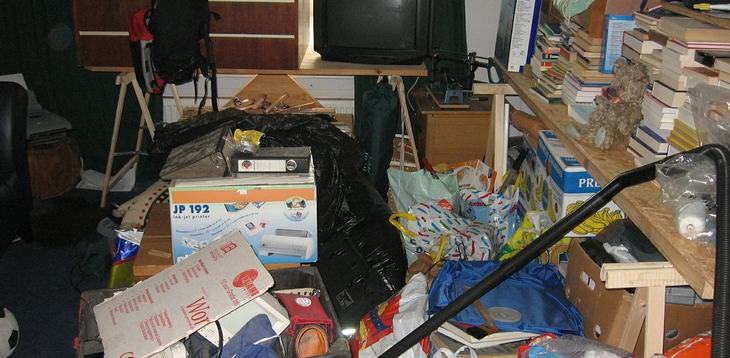
Remember: you don't know when your number is up, and you can't take it with you to the next place.
10. Hospitals must be designed and prepared for major disasters, and they must accept every patient who appears at their doors.

We
designed St. Luke's so we can operate anywhere: in the basement, in the
corridors, in the chapel. Most people thought I was crazy to prepare
for a catastrophe, but on March 20, 1995, I was unfortunately proven
right when members of the Aum Shinrikyu religious cult launched a
terrorist attack in the Tokyo subway. We accepted 740 victims and in two
hours figured out that it was sarin gas that had hit them. Sadly we
lost one person, but we saved 739 lives.
11. Science alone can't cure or help people.
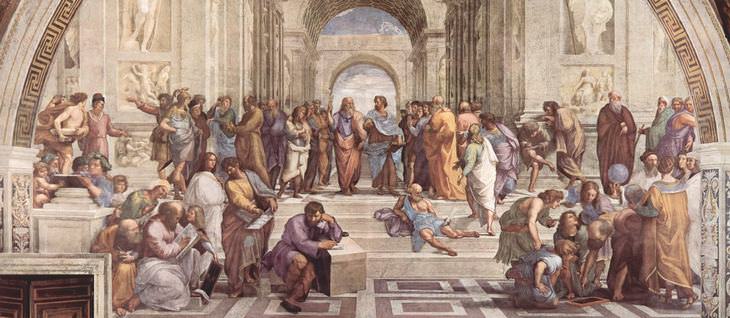
Science
lumps us all together, but illness is individual. Each person is
unique, and diseases are connected to their hearts. To know the illness
and help people, we need liberal and visual arts, not just medical ones.

Nenhum comentário:
Postar um comentário