What does science actually tell us can help our brains? Here's what we know as of now.
By
Alice Walton
nimon_t/Adobe Stock
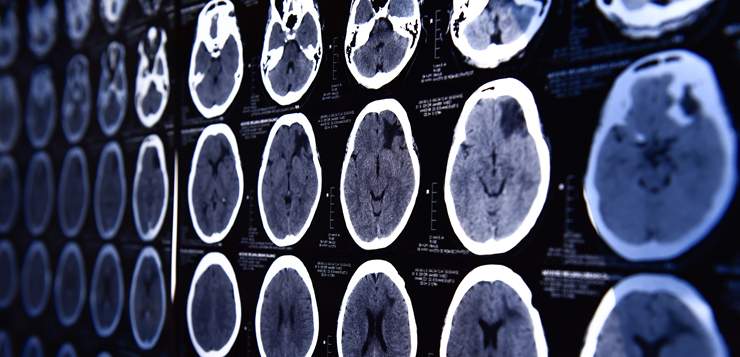
The brain is by far our most precious organ–others are good, too, but they all pale in comparison to the mighty brain. Because the brain works so hard around the clock (even while we’re sleeping), it uses an extraordinary amount of energy, and requires a certain amount of nutritional support to keep it going. It’s high-maintenance, in other words. But there may be misconceptions about what keeps a brain healthy–for instance, there’s little evidence that omega-3 supplements or green smoothies would do anything above and beyond generally good nutrition. So what does science actually tell us can help our brains? Here’s what we know as of now.
Exercise
Physical activity is pretty clearly linked to brain health and cognitive function. People who exercise appear to have greater brain volume, better thinking and memory skills, and even reduced risk of dementia. A recent study in the journal Neurology found that older people who vigorously exercise have cognitive test scores that place them at the equivalent of 10 years younger. It’s not totally clear why this is, but it’s likely due to the increased blood flow to the brain that comes from physical activity. Exercise is also thought to help generate new neurons in the hippocampus, the brain area where learning and memory “live,” and which is known to lose volume with age, depression and Alzheimer’s disease. The one stark exception to the exercise rule is impact sports like football, which has been shown again and again to be linked to brain damage and dementia, since even low-level impacts can accrue over time. The same is true for soccer headers.Starting an exercise routine earlier in life is likely the best way to go, and the effects more pronounced the younger one begins. More research will be needed, but in the meantime, enough research has shown exercise to be beneficial to the brain that it’s pretty hard not to at least acknowledge it (even if we don’t do it as much as we should).

Nenhum comentário:
Postar um comentário